Plumbing systems are the lifeblood of any establishment, whether it's a cozy home in Minneapolis or a bustling commercial space. A well-maintained plumbing system is crucial for ensuring smooth operations, preventing costly emergencies, and enhancing the longevity of your infrastructure. However, many property owners overlook the significance of proactive plumbing maintenance. Establishing a plumbing maintenance agreement can be the first step toward safeguarding your property against unexpected failures and costly repairs.
Understanding Plumbing Maintenance Agreements
A plumbing maintenance agreement is a contractual arrangement between a property owner and a plumbing service provider. This agreement outlines the specific services to be performed regularly to maintain the plumbing system's efficiency and functionality. The primary goal is to prevent problems before they arise through diligent inspections and routine care.
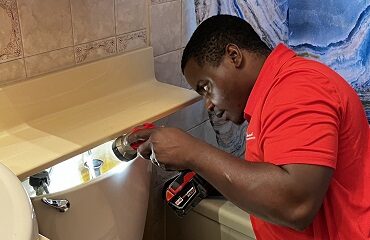
Such agreements vary in scope and price, but they typically include preventive measures like regular inspections, minor repairs, and emergency services. By investing in a comprehensive plumbing maintenance program, you not only protect your investment but also gain peace of mind knowing that professionals are looking after one of your most essential systems.
Benefits of Proactive Plumbing Maintenance
The advantages of engaging in planned plumbing maintenance extend beyond immediate cost savings. Homeowners and property managers can Look at this website experience various benefits:
Cost Efficiency: Regular maintenance can significantly reduce unexpected repair costs. Addressing small issues promptly often prevents them from escalating into major problems requiring extensive repairs.
Increased Lifespan of Plumbing Systems: Just like regular oil changes extend the life of a vehicle, routine care can enhance the durability of pipes, faucets, and fixtures.
Improved Water Quality: Clogged pipes or aging materials can contaminate water supplies. Scheduled inspections help ensure clean water flow throughout your home or business.
Energy Savings: Efficient plumbing systems consume less energy—be it heating water or running appliances—thereby reducing utility bills over time.
Peace of Mind: Knowing that qualified professionals are monitoring your plumbing system brings reassurance that minor issues will be addressed before they become significant headaches.
Key Components of an Effective Plumbing Maintenance Agreement
When entering into a plumbing maintenance agreement, several components warrant consideration to ensure it meets your needs effectively:
Scope of Services
The agreement should clearly outline what services are included—routine inspections, drain cleaning, leak detection, pipe insulation checks, etc. Some agreements may also cover emergency services at no extra charge while others might have limitations on response times or types of emergencies covered.
Frequency of Service
Scheduled visits are fundamental to maintaining effectiveness. Common arrangements include quarterly or bi-annual check-ups that allow for thorough assessments and timely interventions.
Documentation and Reporting
An effective maintenance program incorporates detailed documentation following each visit. This report should summarize findings from inspections conducted along with recommendations for repairs or upgrades needed.
Costs & Fees
Understanding the financial commitment involved is crucial when considering different agreements. Look for clarity around any potential additional costs for emergency calls or parts not covered under maintenance plans.
Cancellation Terms
Life circumstances change; thus it's prudent to understand how you can cancel or modify your agreement if necessary without incurring hefty penalties.
How to Choose the Right Plumbing Service Provider
Selecting an appropriate service provider for your plumbing maintenance requires due diligence:
Research Their Reputation: Look for customer reviews online as well as ratings from organizations like the Better Business Bureau (BBB). Word-of-mouth recommendations from friends or family can also provide valuable insights.
Verify Credentials: Ensure that any plumber you consider is licensed and insured in Minnesota—this protects you from liability should any accidents occur during servicing.
Request Estimates: Obtain quotes from multiple providers to compare services offered against pricing structures so you can make an informed decision.
Ask About Experience: Inquire about their experience with specific types of buildings (residential vs commercial) similar to yours; specialized knowledge often leads to better service outcomes.
Evaluate Customer Service: Pay attention to how responsive they are during initial communications; prompt replies often indicate good future service quality.
Implementing Routine Plumbing Maintenance Tasks
While professional oversight is essential, homeowners can engage in basic upkeep to prolong system life between scheduled visits:
- Inspect for Leaks: Regularly check accessible pipes under sinks or basements; early detection prevents larger complications down the line. Monitor Water Pressure: Sudden spikes in pressure could indicate underlying issues needing immediate attention—use a pressure gauge available at hardware stores if uncertain. Clear Drains Regularly: Use natural solutions like baking soda and vinegar monthly rather than harsh chemicals that might damage pipes over time. Clean Faucet Aerators & Showerheads: Mineral deposits can accumulate quickly; removing these fixtures periodically helps maintain optimal flow rates. Flush Water Heaters Annually: Sediment buildup reduces efficiency; flushing out accumulated minerals improves performance while extending appliance lifespan.
Incorporating these simple tasks into your routine not only fosters better long-term results but also showcases diligence when discussing overall system health with your plumber during scheduled visits.
Tailoring Your Plumbing Maintenance Program
Every building's needs differ based on factors such as age, material composition used within its infrastructure (e.g., copper vs PVC), regional climate conditions affecting wear-and-tear patterns over time—all necessitating customized approaches tailored specifically towards individual circumstances surrounding each property owner’s lifestyle preferences too!
Here’s where collaboration with experienced plumbers becomes indispensable—they possess invaluable insights regarding local ordinances impacting installations/renovations alongside emerging technologies designed specifically for enhancing efficiencies across modern-day households!
For instance, if you own an older home built prior 1980s featuring outdated piping materials known prone failure rates (such as polybutylene), prioritizing replacement earlier could mitigate risks associated leaks/flooding stemming excessive stressors encountered heating cycles occurring seasonally thereby protecting both assets invested within housing market values remaining stable too!
Conversely newer constructions utilizing higher-grade materials warrant different focus areas which may rely more heavily upon smart technology integrations allowing real-time monitoring capabilities being able alert homeowners instantly whenever irregularities detected signaling potential hazards requiring immediate attention instead merely reacting post-factum after damages incurred already occurred!
Final Thoughts on Maintaining Your Plumbing System Effectively
Whether you're managing residential properties or commercial spaces in Minneapolis MN understanding importance behind having structured agreements laid out proactively ensures peace-of-mind while maximizing returns derived investments made into infrastructures themselves ultimately leading increased satisfaction amongst tenants/customers alike!
By establishing clear expectations through detailed contracts specifying responsibilities shared between parties involved along with implementing best practices learned throughout this journey towards successful management—you'll cultivate harmonious relationships fostering trust cooperation resulting minimized disruptions across entire facilities benefiting all stakeholders connected therein!